
(English below)
Mentale gezondheid en veerkracht zijn geen luxe. Voor geen enkel mens, maar ook niet voor organisaties die toekomstbestendig willen blijven. Wereldgezondheidsdag, vandaag, is een uitgelezen moment om stil te staan bij het belang van welzijn op de werkvloer. Mentale weerbaarheid is net zo belangrijk als duurzame inzetbaarheid en diversiteit. Coaching speelt hierin een belangrijke rol en bewijst zich steeds vaker als een effectief HR-instrument met aantoonbare impact op prestaties, verzuim en retentie.
Gezondere medewerkers
Mentale veerkracht verwijst naar het vermogen om om te gaan met stress, veranderingen en tegenslagen. Volgens de positieve psychologie (Fredrickson, 2001) leidt veerkracht onder andere tot betere prestaties, meer werkplezier en een hogere betrokkenheid. Onderzoek van Luthans et al. (2007) toont aan dat werknemers met een hoge mate van psychologisch kapitaal, inclusief veerkracht, productiever zijn en een lager stressniveau ervaren.
Uit cijfers van het CBS blijkt dat psychische klachten, zoals burn-out en overspanning, verantwoordelijk zijn voor 36% van het langdurig verzuim in Nederland. Bedrijven die hierop anticiperen, blijven niet alleen hun concurrentie voor, maar besparen ook aanzienlijk op de kosten van uitval en vervangend personeel.
Bovendien blijkt uit een meta-analyse van Robertson, Cooper, Sarkar & Curran (2015) dat veerkrachttraining en coaching direct bijdragen aan een hogere medewerkerstevredenheid en betere teamdynamiek. Teams waarin veerkracht centraal staat, ervaren minder interne conflicten en een hogere mate van onderlinge ondersteuning.
Toekomstbestendig HR-beleid
Veel HR-strategieën zijn reactief: pas als medewerkers uitvallen, worden interventies ingezet. Een toekomstbestendig HR-beleid richt zich juist op preventie en het versterken van de mentale weerbaarheid binnen de organisatie. De Wereldgezondheidsorganisatie (WHO) stelde in 2022 ook vast dat mentale gezondheid een van de grootste uitdagingen voor de arbeidsmarkt vormt. Dit wordt ook in Nederland steeds duidelijker. Een rapport van Deloitte (2023) voorspelt dat werkgevers de komende jaren aanzienlijk meer zullen investeren in mentaal welzijn om aantrekkelijk te blijven voor talent. Grote bedrijven zoals Philips en Rabobank hebben inmiddels structurele coaching- en welzijnsprogramma’s geïmplementeerd, met als resultaat minder verzuim en een hogere betrokkenheid. Dit toont aan dat investeren in mentale gezondheid niet alleen noodzakelijk is, maar zich ook concreet uitbetaalt.
The ROI of mental resilience
Mental health and resilience are not luxuries—neither for individuals nor for organizations aiming to remain future-proof. Today, on World Health Day, it’s the perfect moment to reflect on the importance of workplace well-being. Mental resilience is just as crucial as sustainable employability and diversity. Coaching plays a vital role in this and is increasingly proving to be an effective HR tool with measurable impact on performance, absenteeism, and retention.
Healthier employees
Mental resilience refers to the ability to cope with stress, change, and setbacks. According to positive psychology (Fredrickson, 2001), resilience leads to better performance, greater job satisfaction, and higher engagement. Research by Luthans et al. (2007) shows that employees with high psychological capital, including resilience, are more productive and experience lower stress levels.
Statistics from the Dutch Central Bureau of Statistics (CBS) reveal that mental health issues, such as burnout and exhaustion, account for 36% of long-term absenteeism in the Netherlands. Companies that anticipate this not only gain a competitive advantage but also significantly reduce costs related to absenteeism and replacement staff.
Furthermore, a meta-analysis by Robertson, Cooper, Sarkar & Curran (2015) found that resilience training and coaching directly contribute to higher employee satisfaction and improved team dynamics. Teams that prioritize resilience experience fewer internal conflicts and greater mutual support.
Future-proof HR policies
Many HR strategies are reactive, interventions are only implemented once employees start to struggle. A future-proof HR policy, however, focuses on prevention and strengthening mental resilience within the organization. The World Health Organization (WHO) stated in 2022 that mental health is one of the biggest challenges in the labor market. This is becoming increasingly evident in the Netherlands as well. A Deloitte (2023) report predicts that employers will invest significantly more in mental well-being in the coming years to remain attractive to talent. Large companies such as Philips and Rabobank have already implemented structured coaching and well-being programs, resulting in lower absenteeism and higher employee engagement. This demonstrates that investing in mental health is not just necessary, it also delivers concrete returns.
Sources
CBS (2023). Verzuimrapport: Oorzaken en trends van langdurig ziekteverzuim in Nederland.
Deloitte (2023). Future of Work: Mental Health as a Strategic HR Priority.
Fredrickson, B. L. (2001). The role of positive emotions in positive psychology: The broaden-and-build theory of positive emotions. American Psychologist.
Luthans, F., Avolio, B. J., Avey, J. B., & Norman, S. M. (2007). Positive psychological capital: Measurement and relationship with performance and satisfaction. Personnel Psychology.
Robertson, I. T., Cooper, C. L., Sarkar, M., & Curran, T. (2015). Resilience training in the workplace: A systematic review and meta-analysis. Journal of Occupational and Organizational Psychology.
WHO (2022). Mental health at work: Global perspectives and challenges.
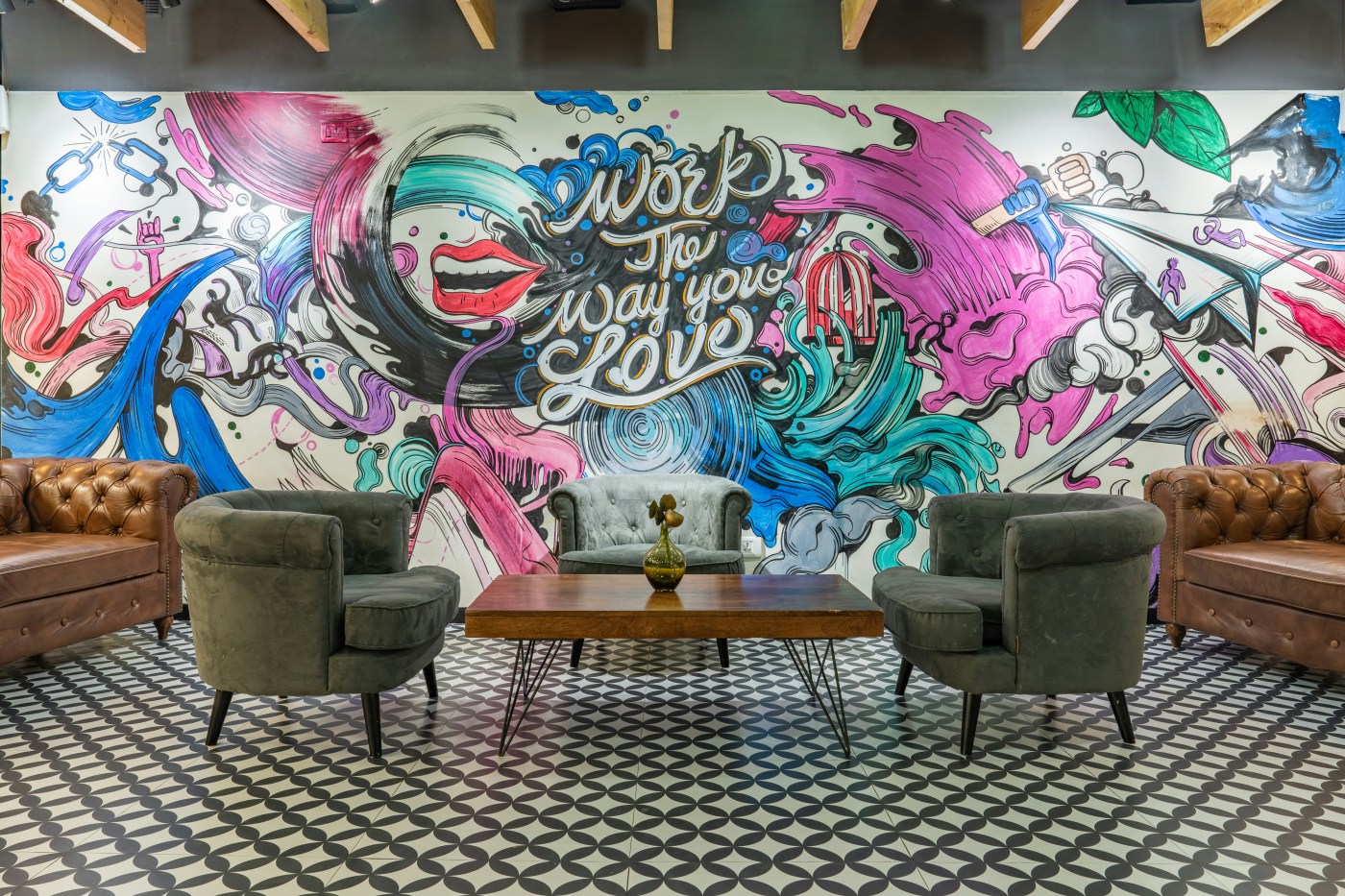
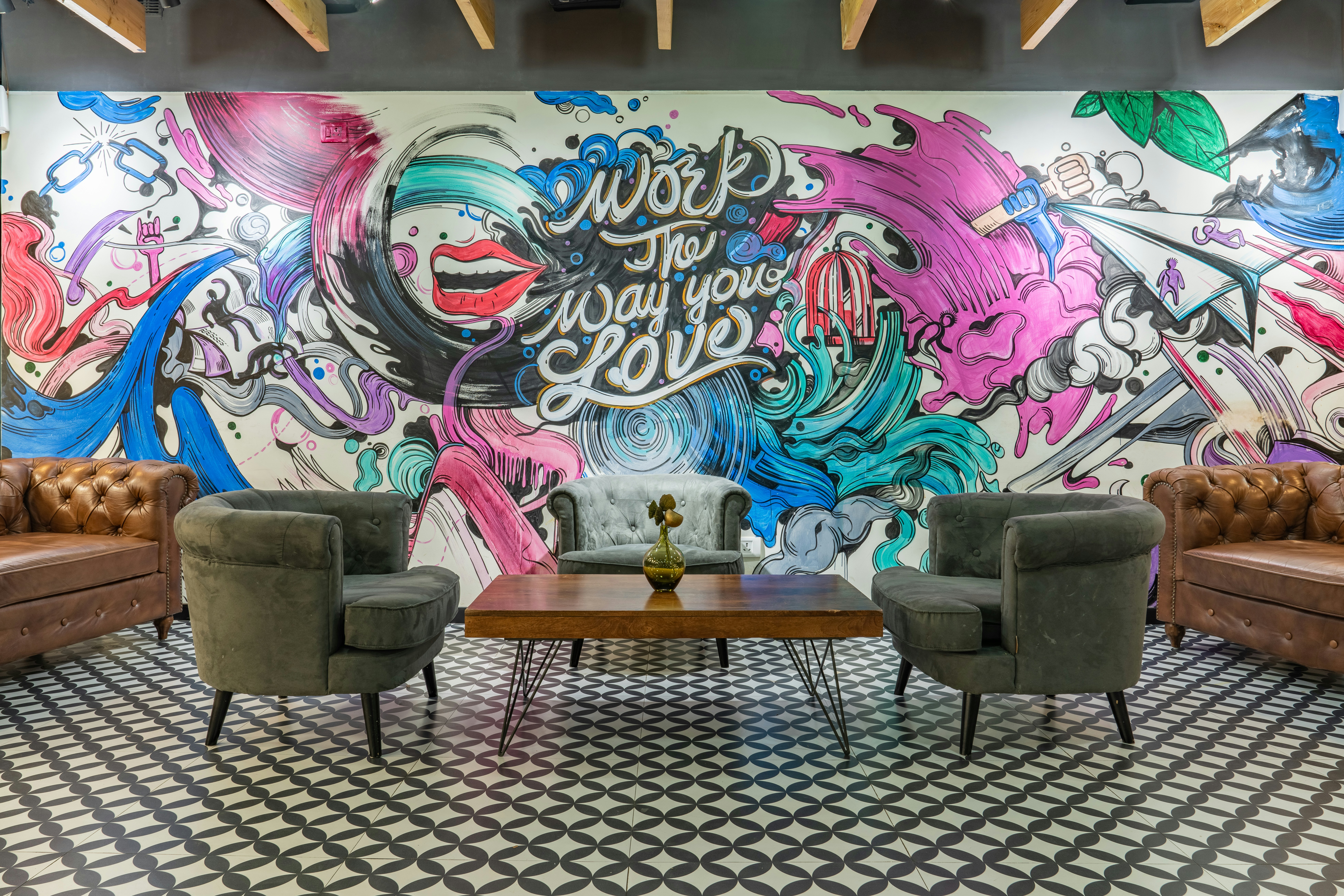
Photo: MyHQ workspace
 Liane Kusters coaching & training
Plaats een reactie